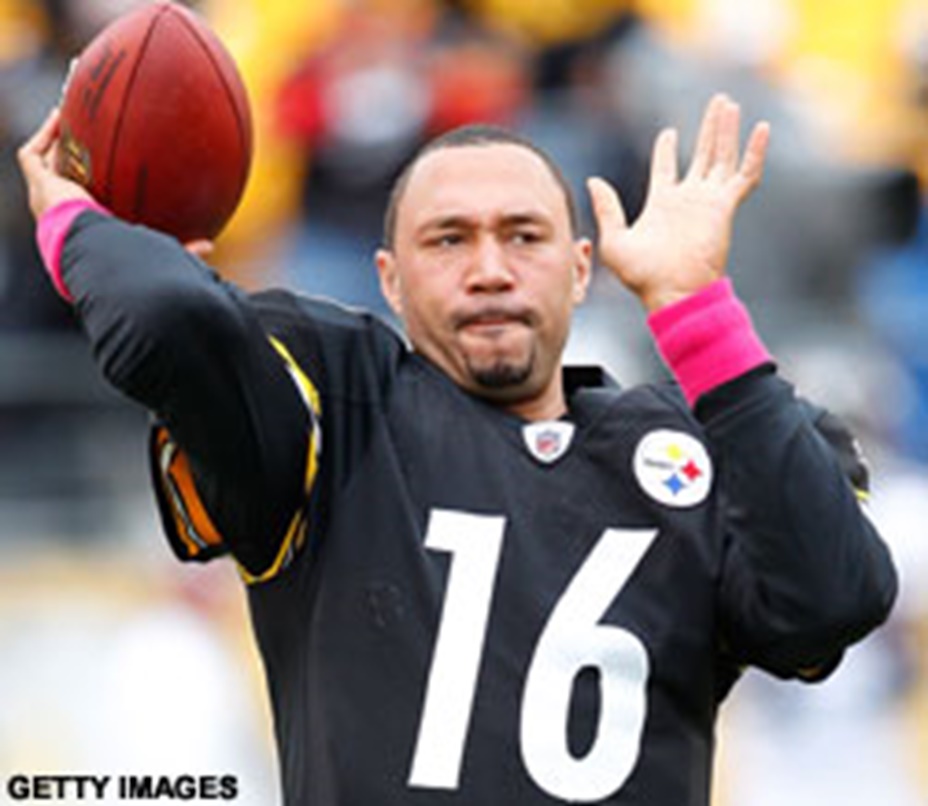
Steelers QB and NFLPA Exec Committee member Charlie Batch yesterday emerged from the fourth consecutive day of labor talks "not quite so optimistic," but "for the first time, there was more than just a no-comment from either side, and even a hint of positive news," according to Gary Mihoces of USA TODAY. Batch: "Things are going well. We'll see how things progress over the coming days." Under a directive from Federal Mediation & Conciliation Service Dir George Cohen, both sides "have declined to comment on the talks." But as NFL outside counsel Bob Batterman was leaving the talks Sunday, he said Cohen is a "first-class mediator" (USA TODAY, 2/22). In N.Y., Judy Battista reports the two sides are "expected to reconvene" today for the "fifth of the scheduled seven days of negotiations" with Cohen. Because mediation is "nonbinding, either side could walk away from the negotiating table at any time." That it "has not happened has provided a glimmer of hope that some progress is possible in what have been contentious negotiations." Cohen "requested a news media blackout on the talks," and if that "remains the case, the first update on the talks could come Friday," when NFLPA Exec Dir DeMaurice Smith is expected to address player agents at the NFL Combine in Indianapolis. The union "has made that meeting mandatory for agents, an unusual move that underscores the importance of the information that will be shared" (N.Y. TIMES, 2/22).
HIGH SUCCESS RATE: The Federal Mediation & Conciliation Service conducts about 5,000 mediations a year and has a settlement rate of about 86%, according to an FMCS spokesperson. MLS last year settled its labor dispute with the MLSPU on March 20, five days after Cohen began overseeing the bargaining between the two sides. Some in the industry were heartened yesterday by the fact that the NFL and NFLPA were meeting for a fourth day and neither side was talking. But others took the fact that the two sides were meeting and not talking as merely smart public relations in the wake of the public agreement by the NFL and NFLPA to meet and not talk about it (Liz Mullen, SportsBusiness Journal). In L.A., Sam Farmer writes there is "always a chance the sides could strike a deal," but it is "more likely this is all cosmetic." Farmer: "No matter where they go from here, each side needs to show it negotiated in good faith and made its best effort to reach an agreement. What better way to do that than say, 'We locked ourselves in a room with these guys for a week and still couldn't work things out'" (L.A. TIMES, 2/22).
IT DON'T COME EASY: Colts DE Dwight Freeney guest hosted ESPN's "Jim Rome Is Burning" yesterday and discussed the labor situation. Freeney said, "I don't know what will come out of those talks, but that's a good step. All I can tell you is this: As players, all we really want is to just play football, and I'm just glad that our representatives and our owners are trying to find common ground. But I'd be lying to you if I said it's going to be easy." He added, "Above all, I hope that both sides can do what's best for the fans and that's to get back on the field. The owners want the games and we want to play the games. A deal will get done. I just hope it's sooner rather than later" ("Jim Rome Is Burning," ESPN, 2/21).
LABOR STRIFE IN THE TWITTER AGE: The N.Y. TIMES' Battista notes "dozens of players and agents ... have taken to Twitter during the NFL's labor strife, opining on everything from the court skirmish over how the NFL's television contracts were structured to the 18-game regular season to players having to pay for their own health insurance if the league imposes a lockout" when the CBA expires on March 4. The NFL's labor negotiations are the "first of a major sports league to be played out in the social media age, giving hundreds of players, dozens of agents, millions of fans and even a handful of owners the equivalent of a gigantic microphone to offer instant -- sometimes frustrated -- analysis of the once-cloaked minutiae of contentious negotiation." The "risks of unfettered communication were most evident even before the season ended" when Jets CB Antonio Cromartie "criticized with expletives negotiators from both the league and the union for not getting a deal done." That "drew rebukes from fellow players," including a tweet from Seahawks QB Matt Hasselbeck, "who has long been active in the union, questioning whether Cromartie knew what CBA meant." That raises the question: "Might Twitter create a problem maintaining cohesion among a diffuse and dispersed group of players in the face of a lockout?" The union offered a short list of talking points for players in a publication called the "NFLPA Guide to the Lockout," which included the following reminder: "In this modern world of media and social networking, know that the nature of comments you make on Facebook, Twitter and text are taken seriously by the public. One negative comment by a player can be detrimental to the negotiation process and confuse the public and media on the position of our players" (N.Y. TIMES, 2/22).