















SBJ: NBA ready to discuss rights deal SBD: ESPN, USTA Close To Deal For U.S. Open Exclusivity SBD: ESPN, USTA Finalize 11-Year Deal For U.S. Open SBD: ESPN, Twitter Expand Partnership SBG: ESPN America To Stop Broadcasts In July SBD: Giants, Jets Leery Of Meadowlands Changes SBD: McCain Continues Fight For A La Carte Option SBD: Vikings Stadium Plan Features Glass-Like Roof SBD: NFL Backs U.S. Rugby Effort SBD: NBC Gets Best Players Overnight Since '91
College Sports Television Networks
December 12, 2012 06:41 PM
Here are some of the topics they discussed:
On the influence of the Big Ten Network on realignment:
Big Ten Network president Mark Silverman: “I really believe the network has been massively overstated as the reason that the conference, which is a minority owner in the network, would really look to do this.” He said he wouldn’t speculate about the network’s availability in the new markets. “I’m sure we’ll have productive conversations with all our distribution partners,” he said.
College Sports Television Networks
Chris Bevilaqua, BHV
Dave Brown, ESPN/Longhorn Network
Hillary Mandel, IMG Media
Lydia Murphy-Stevans, Pac-12 Networks
Mark Silverman, Big Ten Network
When Dave Brown, vice president of programming and acquisition for ESPN/Longhorn Network, was asked if he would have done anything differently if he could do it over, replied, “No, I don’t think so. We started out as a long-term proposition. We were lucky enough to do a 20-year deal with the school and we’re a year and a half into it. Certainly we have some work to do, but I wouldn’t have done anything differently.”On the programming need for live football:
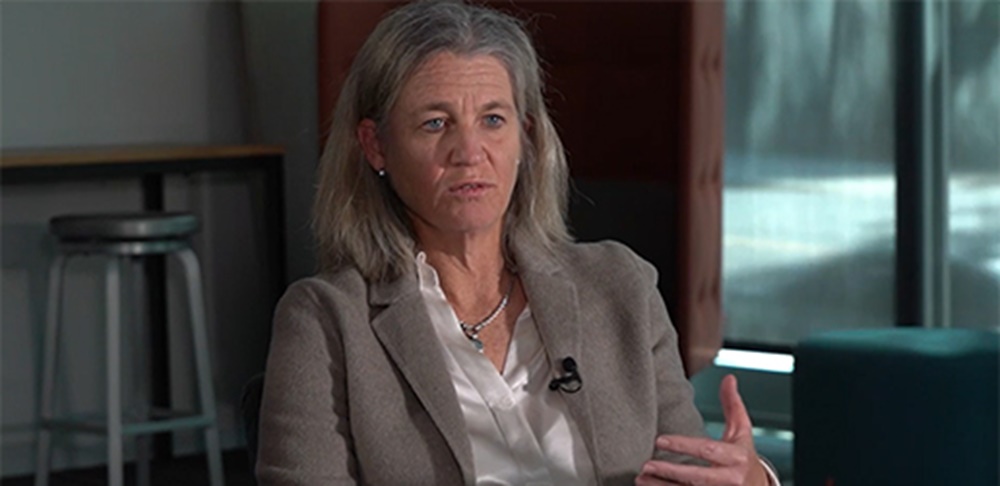
Lydia Murphy-Stevans, executive vice president and general manager of Pac-12 Networks, talked about the constant need for live football. “The question is, Will advertisers support all the games that continue to get regional and national exposure, and to what extent?” she said. “Are we fragmenting the audience or are we able to aggregate the audience? I think it’s endless right now for how many games the audience wants to see.”
On the threat of a la carte programming:
Silverman said that a la carte cable programming is in no one’s best interest. Chris Bevilacqua, co-founder of BHV, added that there are larger problems than sports in the average cable bill. “Distributors are paying too much for channels that nobody watches,” he said. “With sports, at least people watch.”
On the opportunities in the international market:
Hillary Mandel, senior vice president of programming and distribution for IMG Media, said that the international market is an untapped resource for future revenue streams. “There’s no question international is another area to tap,” she said, “and it’s going to take more than distribution to make it happen.”
On the prospects for a Big East media deal:
Bevilacqua, who was recently hired to negotiate for the Big East on a new conference deal, didn’t think the deal the Big East turned down in May 2011 was a mistake. “Whether there was a deal a year ago or not,” he said, “it wouldn’t have changed the economics” of another conference with a larger media deal from poaching schools.


