








Falk nearly done with rebuild at FAME NBPA’s Stackhouse: Search in full swing NFLPA made deal to reduce future caps How agencies fared in NFL draft Fitness app among deals for St-Pierre Progress slow on new NBPA chief Ben Dogra: Calm in the storm Relativity hires former Wasserman COO Women In Representation Headline will represent Terrell Davis
Upcoming Conferences and Events
SBJ/July 2-8, 2012/Labor and Agents
Veterans, new faces to steer talks
NHL brings familiar leaders to table, but union has transformed
Published July 2, 2012, Page 6
LEAGUE SIDE
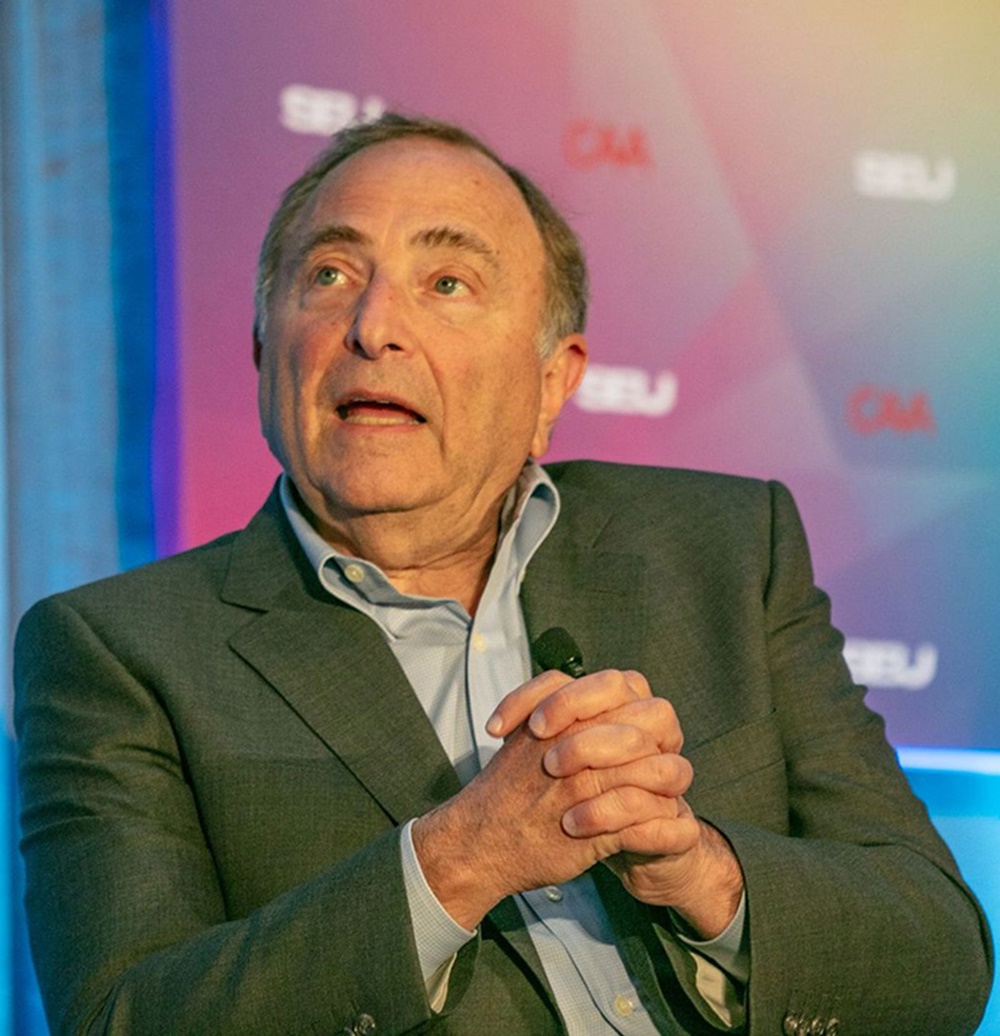
■ GARY BETTMAN, BILL DALY: As commissioner, Bettman is undoubtedly the face of NHL management and wields the most influence on ownership, but deputy commissioner Daly will manage the league’s attorneys and have a strong voice in all discussions with the union. Daly is experienced, having started with the NHL in 1996 and having coordinated all negotiations that led to the current CBA. He has a solid working relationship with the press, so when the league does choose to comment — at least early in the negotiations
| The NHL’s Gary Bettman (top) and the NHLPA’s Don Fehr will lead the sides in negotiations. |
| Jacobs |
■ LOU LAMORIELLO: The president and general manager of the New Jersey Devils is arguably the most respected team executive in the NHL. He was deeply involved in the last negotiations and will be again.
■ ED SNIDER: As the owner of the Philadelphia Flyers since 1966, Snider has always been a strong voice in the NHL boardroom. As chairman of Comcast-Spectacor, Snider’s fingerprints were all over the league’s decision to align with the former Versus as a TV partner, a deal that ultimately led to the 10-year, $2 billion deal signed with NBC last year. Snider’s influence has never waned.
| Vinik |
■ ROCKY WIRTZ: In October 2007, Wirtz followed his father, Bill, as president of the Wirtz Corp. and chairman of the Chicago Blackhawks. He restructured the team’s front office, and in 2010, the Blackhawks won their first Stanley Cup in 49 years. Wirtz set the stage for these CBA negotiations by saying in April that the Blackhawks are not profitable despite selling out more than 200 consecutive games.
PLAYERS SIDE
■ DON FEHR: The players side in these labor negotiations will be led by a much larger and completely different cast of people than it was the last time around. Fehr, widely considered the strongest union leader in sports during his time at the helm of the MLB Players Association, was named NHLPA executive director in December 2010. He spent much of the last year and a half canvassing and getting to know the union’s membership. Said one NHL agent, “He’ll sit down with the players and say, ‘What do you want to do?’”
Last week, Fehr unveiled the union’s formal negotiating committee, a 31-player group, but he added that any player who wants to attend the CBA talks could do so at the union’s expense. That’s a stark contrast from the labor talks of 2004-05, when the NHLPA gave the union’s seven-player executive committee power to negotiate a new CBA. It’s not, however, different from what Fehr has done historically.
Michael Weiner, who succeeded Fehr as MLBPA executive director, remembers that during the 1990 MLB lockout, the union under Fehr’s leadership would take as many as 100 players to the commissioner’s office for a negotiating session. “[In baseball], any player who wants to be involved, can be involved,” Weiner said. “If 50 guys want to show up, they can show up. Does it mean that 50 guys will be in the room for every minute of bargaining? No.”
Fehr understands both large-group and small-group dynamics. At times, Weiner said, a few players and union staff members would go into a session and then report to the larger group. “The point,” Weiner said, “is you want to generate a unionwide consensus, and in order to do that, you need a broad and wide range of opinions.”
■ DON ZAVELO: The NHLPA hired Zavelo last October as its general counsel. A labor attorney who worked in the New York office of the National Labor Relations Board for 30 years, Zavelo served most recently as the group’s deputy regional attorney. Labor negotiations can involve one side or the other filing an unfair labor practices charge with the NLRB. Zavelo was in charge of directing investigations and trial work involving such charges during his years at the NLRB.
■ STEVE FEHR: Don Fehr’s brother, Steve Fehr was hired with his sibling in December 2010 as special counsel to the NHLPA. The brothers have worked together since 1980, teaming previously at the MLBPA on collective bargaining and other legal matters. Steve Fehr represented the MLBPA during the collusion cases that the union brought and won against MLB in the 1980s and played a prominent role in negotiating the MLB CBAs in 2002 and 2006. He still serves as special counsel to the MLBPA and is of counsel to the Kansas City law firm Jolley Walsh Hurley Raisher & Aubry.
| Schneider |
| Langenbrunner |
Besides Langenbrunner, expect George Parros of the Anaheim Ducks to be actively involved in negotiations as a committee member. Parros, a frequent fighter for the Ducks, has a degree in economics from Princeton.


