
















Upcoming Conferences and Events
SBJ/December 5-11, 2011/In Depth
Shelton works to repair Fiesta Bowl’s image
Published December 5, 2011, Page 31
■ The Fiesta Bowl’s former CEO, John Junker, and many of its employees were brought down by a scheme to reimburse employees for their political contributions and a subsequent cover-up of the scandal. How does the bowl recover from that?
SHELTON: Well, you start by being very careful about who’s on your staff, including the committees and the
■ How many people do you have representing the Fiesta Bowl?
SHELTON: We have about 35 full-timers, and we’ll bring in 10 to 12 interns that are mostly recent college graduates. And then there are up to 3,000 volunteers that will help us with our events.
SHELTON: I’ve always been keen on athletics. … When I was at North Carolina, I was able to see conference expansion at work when the ACC went from nine to 12 schools. At Arizona, I represented the Pac-10 on the BCS Presidential Oversight Committee and was there when the conference expanded to the Pac-12. And I grew up playing baseball, tennis, basketball. … Interestingly enough, I had never really given much thought to this job, though. The whole courtship took place in a 2 1/2-week period. But being from Arizona and understanding the importance of the Fiesta Bowl, not just to the teams in the game, but also to the community and to the charities involved, I just thought it was important. … Maybe, selfishly, this will be a good platform to provide a different voice than most other bowl leadership, when it comes to where college athletics are going overall. It seemed to be a great opportunity to inject a president’s perspective into the discussion through a bowl.
■ What were some important first steps in the new job?
SHELTON: I met for a half hour with every staff member to get their input. Most of them had never been in the
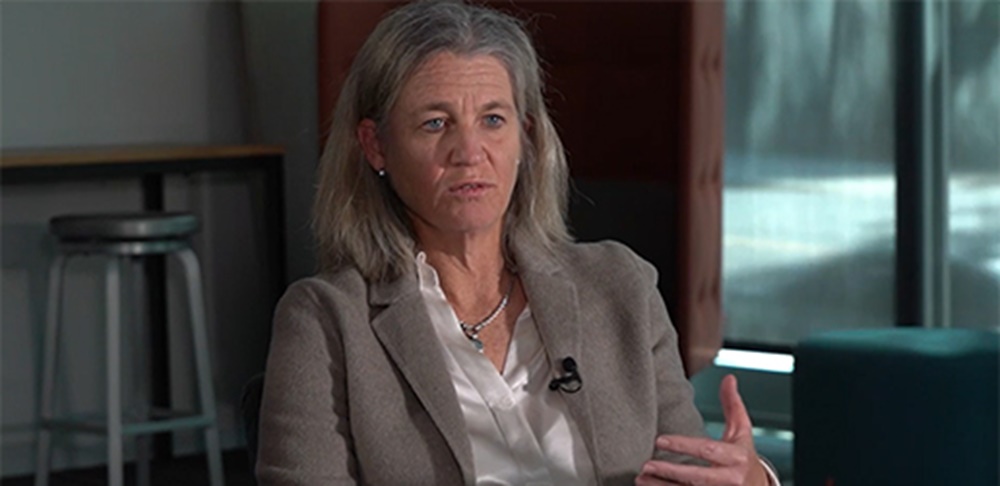
| Robert Shelton faced immediate scrutiny when he was hired by the Fiesta Bowl. He has since implemented a code of conduct for staffers and made the bowl’s operations more transparent. |
■ How much engagement do you have with Tostitos?
SHELTON: When the [scandal] first broke, the board members stayed very tight with Tostitos. Since I’ve been here, I’ve had a chance to meet their marketing folks here. I’ve gone to Plano [Texas] to visit with their leadership. The relationship is strong and positive. You think about it, that relationship is 17 years old, which makes it somewhat unique.
■ How badly is there a need for an overall image rehab for bowls as well?
SHELTON: What I’ve found is that the whole bowl organization and structure is not well understood. Maybe it is and people still don’t like what they see. We’re making efforts to be more transparent — through our website, through a branding study that we’re working on — to show how we operate, what we do and why we exist. It’s not just to put on a game. There’s economic development, there’s enhancement to the community and there’s the philanthropic activity. That message is subsumed within the enthusiasm for the game and we need to tell the story better.
■ There are a lot of options for the next iteration of the BCS, including no automatic qualifiers. What do you think?
SHELTON: I have the luxury of pleading newness and still learning. But several options have been discussed, from going back to the old bowl system to changing nothing to multiteam playoff. Putting on my former academic hat, the playoff configurations give me a lot of heartburn. It would have major disruptive potential for the whole enterprise. But I’m still mostly listening and learning about whatever configurations are out there.


