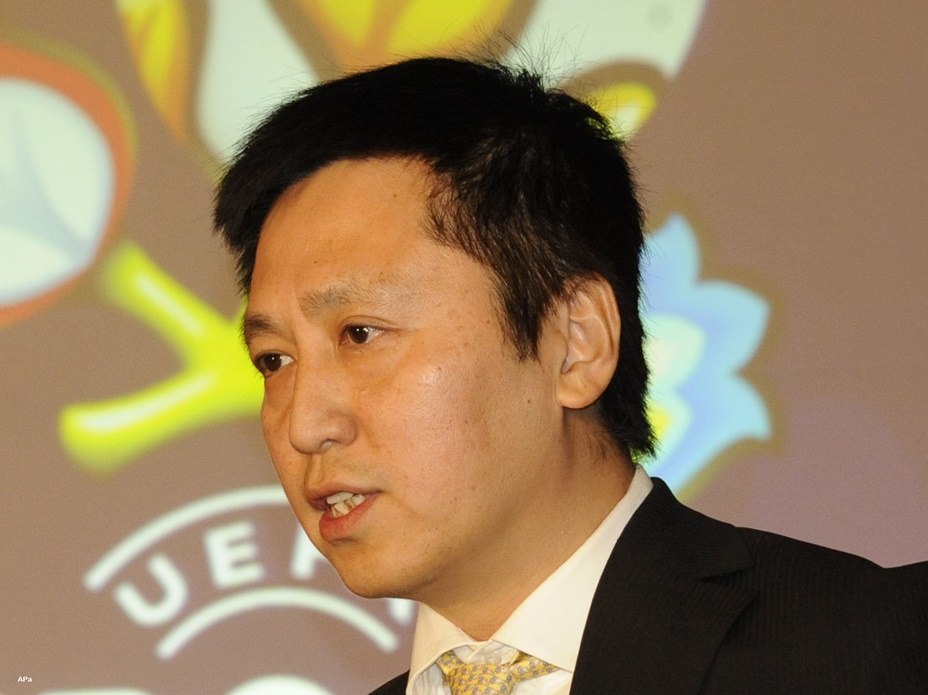
Just this year in Chinese sports, the Chinese Super League acquired former Chelsea striker Didier Drogba, Yao Ming returned home and is leading grassroots basketball programs, and Olympic swimmer Ye Shiwen won two Gold Medals in London, while setting world records. China is on the world sporting map. What is lacking, though, is Chinese brands taking advantage of the sports marketing space. Shankai Sports works with these companies on an international level, for events such as Euro 2012, the 2012 London Olympics and the 2014 FIFA World Cup. The company focuses on hospitality, event marketing, sponsorships and digital media. CEO & co-Founder Feng Tao, headquartered in Beijing, took time to speak with SBD Global Staff Writer Kristen Heimstead about how Chinese culture influences brands’ decisions, and how his company educates them on getting their brand abroad through sports.
Q: What is the biggest obstacle you face in getting domestic companies to sponsor international sporting events?
Feng Tao: Knowledge. Chinese companies really have no idea. They don’t how to approach sports governing bodies, they don’t know the strategy, the meaning of the rights or how to generate the rights. The only knowledge for Chinese companies is that if they sponsor an international event then they could have their advertising board around the pitch. They cannot make the connection between the sponsorship and media value. They cannot put those two things together. But I think we are in a good position -- we know how to translate international knowledge into proper Chinese language.
Q: How do you go about teaching Chinese companies and showing them what they can generate from a sports sponsorship?
Feng: Being a friend of them first. Don’t cheat them. You must have a very good relationship with them. You have to establish the credibility and the trust, otherwise they won’t listen to you. That is why a lot of international companies cannot succeed in the Chinese market. Many PR companies or sports marketing agencies, they cannot succeed.
Q: Once you’ve developed a relationship with the Chinese companies and they are interested in signing a sponsorship deal, do you find that they are more willing to sign a short- or long-term deal?
Feng: Short-term first. You have to bring them into the family. At the beginning they always want to try, but they don’t know how to use it and don’t have the strategy. Once they walk into the room, they understand immediately, and then they renew the contract. For example, Yiling Solar signed a deal with FIFA in 2009 for the 2010 South Africa World Cup. At the beginning it was just one World Cup, but after they saw how much benefit they can get, now they have renewed.
Q: In what area of sports marketing do you think there is room for the most growth in China?
Feng: Domestic sponsorship deals, for the CSL and CBA. Because of the internal issues in China, it still takes time to reform. They have to reform and have a clear structure and clear rules and regulations. In one word, they need to "open" their market. Once they have public internal structures, then they will attract more Chinese companies to work together. But that is long term. They are run by one person that wears two hats. One is the government official and one is the association. This is the key in China. If they cannot separate these two entities, then there is no sports marketing in China.
Q: What was the impact of the Beijing Olympics on companies' interest in sponsoring international events?
Feng: When I talk to the people in China they say the event was a turning point, a new era for the sports industry in this country. It made the people in China awake, and they realized we have to associate with sporting events, that it’s a good opportunity to build our brands. The sports industry is 30-40 years behind the U.S.
Q: How do you get your local sports news?
Feng: For me it’s sports business. I read online, but I seldom read sports business news from Chinese websites.
Q: What is in Shankai Sports’ plans for the next five years?
Feng: We promote our company as a bridge between China and overseas. So we want to bring more Chinese companies into international events. We believe sponsoring global events is the best platform for Chinese companies to build up their brands overseas.